Bō Kata Families
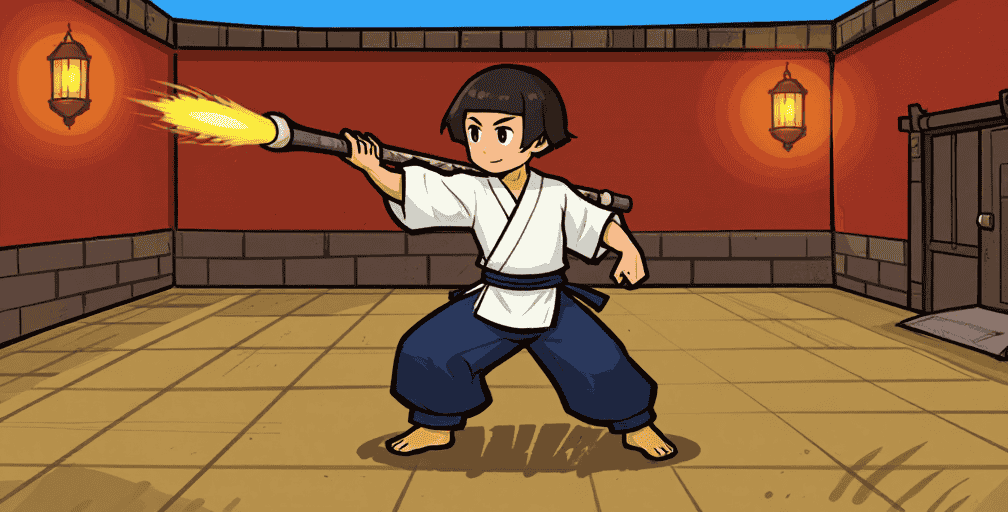
The bō kata corpus is the largest in Ryukyu kobudo and the most widely distributed across different organizations. The key lineages compared below are the Taira line (Ryūkyū Kobudō), Matayoshi Kobudō, Yamane-ryū, and karate-based weapon syllabi (including Shōrin-ryū, Isshin-ryū and multi-organization lists like the WUKF/Jundokan catalog).
How to Read This Table
Each row represents one underlying kata family, identified by its kanji name. The columns show what name each organization uses and any notable differences. Same-family ≠ identical choreography. Different-family ≠ no common history.
Major Bō Kata Families
| Kata family (kanji) | Typical romaji | Taira line | Matayoshi | Karate weapon syllabi | Notes |
|---|---|---|---|---|---|
| 周氏の棍 | Shūshi / Shushi no Kon | Shūshi no Kon (Shō/Dai/Koshiki) | Shushi no Kon | Shushi no Kon Sho/Dai in Shotokan, Shōrin-ryū etc. | Core Shuri-region bō; widely shared "fundamental" kata across kobudo and karate bō curricula |
| 佐久川の棍 | Sakugawa no Kon | Sakugawa no Kon (Shō/Chū/Dai) | Sakugawa no Kon (variants) | Common in Shōrin-ryū, Chitō-ryū as "Sakugawa no Kon" | Probably the single most cross-style bō kata; most groups trace it to Sakugawa Kanga of the Shuri tradition |
| 添石の棍 | Soeishi / Sueyoshi / Shiishi no Kon | Soeishi no Kon (Shō/Dai) | Shiishi no kon (Sueyoshi no kon) | Jundokan list shows Sueyoshi (Shishi) and Soeishi (Shishi) as separate entries | Same family, kanji/reading variations generate multiple spellings |
| 北谷屋良の棍 | Chatan Yara no Kon | Chatan Yara no Kon | Yara no Kon (屋良之棍) | "Chatanyara no Kon" in Jundokan list and karate weapon curricula | Shared Chatan Yara bō tradition, parallel to the well-known empty-hand kata |
| 津堅棒 / 津堅砂掛けの棍 | Tsuken Bō / Tsuken Sunakake no Kon | Tsuken Bō (bō kata); Tsuken Sunakake no Kon (eku kata) | Tsuken no Kon; multiple Tsuken bō/eku forms | Chikinsunakake (Tsukensunakake) no Kon in Jundokan list | All trace back to Tsuken island and boat-oar fighting; sand-throwing tactics in eku versions |
| 白樽の棍 | Shirataru / Shirotaru no Kon | Shirataru no Kon (Shō/Dai) | Appears in multi-style catalogs | Shirotaru no Kon (Sho/Dai) in Shōrin-ryū and Jundokan list | Likely taken from Taira-line material into karate kobudo programs |
| 趙雲の棍 | Chōun / Choun no Kon | Chōun no Kon | Choun no Kon | "Choún no Kon" in Jundokan cross-style list | Name references Chinese general Zhao Yun; "Chinese" flavor in stepping and rhythm |
| 徳嶺の棍 | Tokumine no Kon | Not central in core Taira Wikipedia list; practiced in later branches | Tokumine no kun (major Matayoshi bō kata) | Tokumine no Kun in Isshin-ryū weapon syllabus | Traced to Tokumine Pechin; choreography differs by line |
| 浦添の棍 | Urashi / Urasoe no Kon | Urasoe no Kon (one of 18 bō kata in Ryukyu kobudō) | Urasoe/Urashi-named bō (浦添の棒 or Urashi no Kun) | Isshin-ryū uses Urashi no Kun | Regional Urasoe origin; same regional root across organizations |
Name Cluster Summary
These "name clusters" (周氏, 佐久川, 北谷屋良, 津堅, 添石, 白樽, 趙雲, 徳嶺, 浦添) recur across Taira-line Ryukyu kobudo, Matayoshi kobudo, Yamane-ryū, and karate weapon add-ons. Their recurrence implies shared origin with divergent evolution over generations of separate transmission.
When researching a specific organization's bō curriculum, looking for which families are present and which are absent often reveals which historical teachers they trace back to, even without explicit lineage documentation.
Sources
- Yamanni ryu — Wikipedia: Full RBKD kata list (Donyukon, Choun no Kun, Shuji no Kun, Ryubi no Kon, Sakugawa no Kun, Shirataru no Kun, Yonegawa no Kun, Sunakake no Kun, Chikin Bō)
- Matayoshi Kobudo — Wikipedia: Matayoshi bō kata list (Shushi no Kun, Choun no Kun, Sakugawa no Kun, Tsuken no Kun, Shishi no Kun)
- Okinawan kobudō — Wikipedia: General distribution of bō kata across lineages
- Research page: Primary source references for kata documentation